




 Cavo di alimentazione da C13 a C15: tacca, valori di temperatura e quale ti serve


What Sets an EU Power Cord Apart from Other Regional Standards
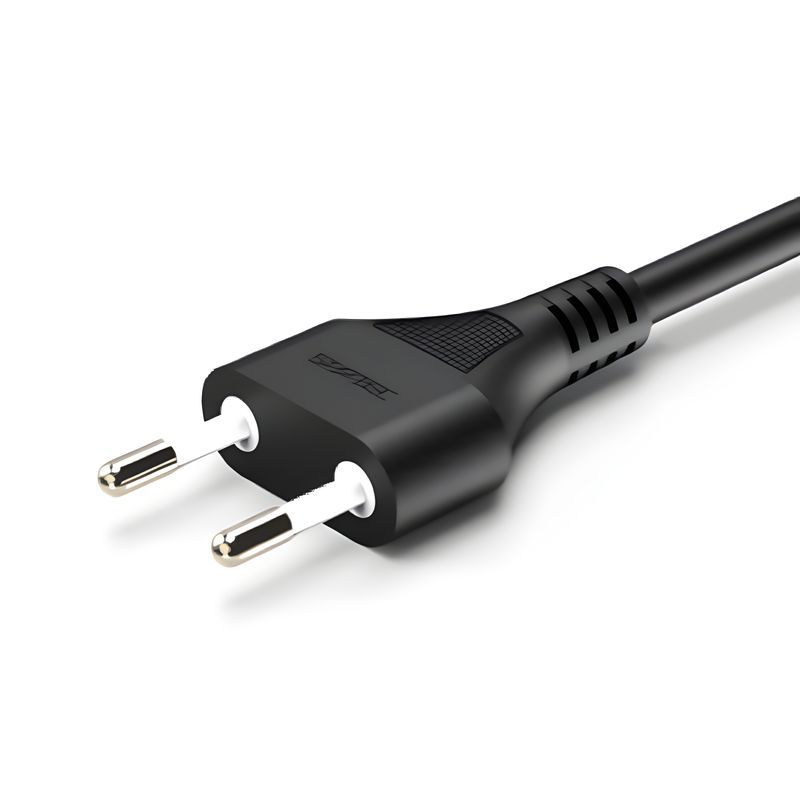
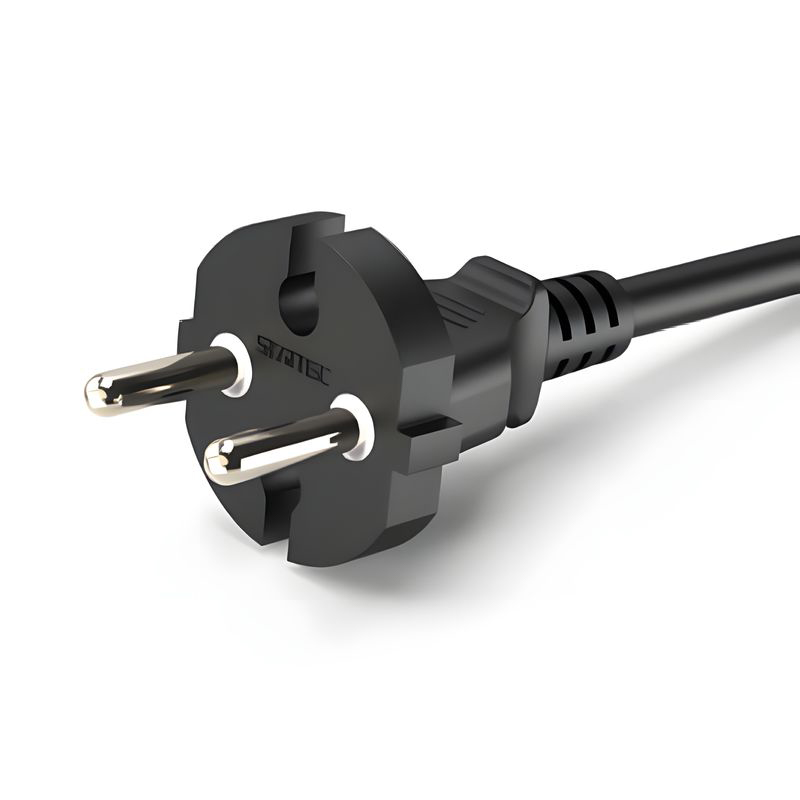
An EU Power Cord is built around the CEE 7 plug family — most commonly the Type C (Europlug) or Type F (Schuko) connector — and is designed to run on the 220–240V, 50Hz supply used across continental Europe. Unlike a US or UK cord, european power cords rely on round two-pin or grounded pin-and-clip contacts rather than flat blades, which changes not only the plug tooling but also the wire gauge and insulation thickness needed to safely carry the higher standard voltage.
For manufacturers exporting appliances into the EU market, using the correct european power cable is not optional — it is a prerequisite for CE marking and for compliance with harmonized standards such as EN 50525. A cord built to the wrong pin spacing or conductor cross-section will fail plug-fit testing even if the appliance itself performs correctly.
Construction and Working Principle of a European Cord
A european cord carries current from the wall socket to the appliance through two or three conductors, each sized to keep voltage drop and heat rise within safe limits at rated load.
Core Components
- Conductor: stranded copper, typically sized from 0.75 mm² to 1.5 mm² depending on rated current
- Insulation: PVC or rubber compound rated for the appliance's operating temperature range
- Sheath: an outer jacket that resists abrasion, flexing, and in many cases flame propagation
- Plug: molded Type C or Type F body with grounding contacts on Schuko variants
The grounded Type F design is required for higher-load appliances such as kitchen equipment and power tools, since the side grounding clips provide a safety path that the two-pin Europlug does not. Choosing between the two depends entirely on the appliance's power class and whether it is double-insulated.
Insulation Compound: A Determining Factor in Cord Safety
Because european power cords must handle a 230V nominal supply, the dielectric strength and flame-retardant properties of the insulation compound directly affect certification outcomes. Inconsistent compound quality can cause a cord to pass initial dielectric testing but degrade prematurely under real-world heat cycling, leading to field failures long after the product has shipped.
Hejin Electronics Technology Co., Ltd., established in 2010, focuses specifically on R&D and manufacturing of PVC compounds for wire and cable applications, including eco-friendly, flame-retardant, insulating, and sheathing formulations. Operating from a 20,000-square-meter facility with fully automated compounding lines and six internal mixers, the company maintains an annual production capacity of 120,000 metric tons, giving cord manufacturers a stable, consistent material source rather than batch-to-batch variation.
Comparing Common EU Plug Types
Selecting the right plug type for an EU power cord depends on the appliance's current draw and insulation class.
| Plug Type | Grounding | Typical Use |
|---|---|---|
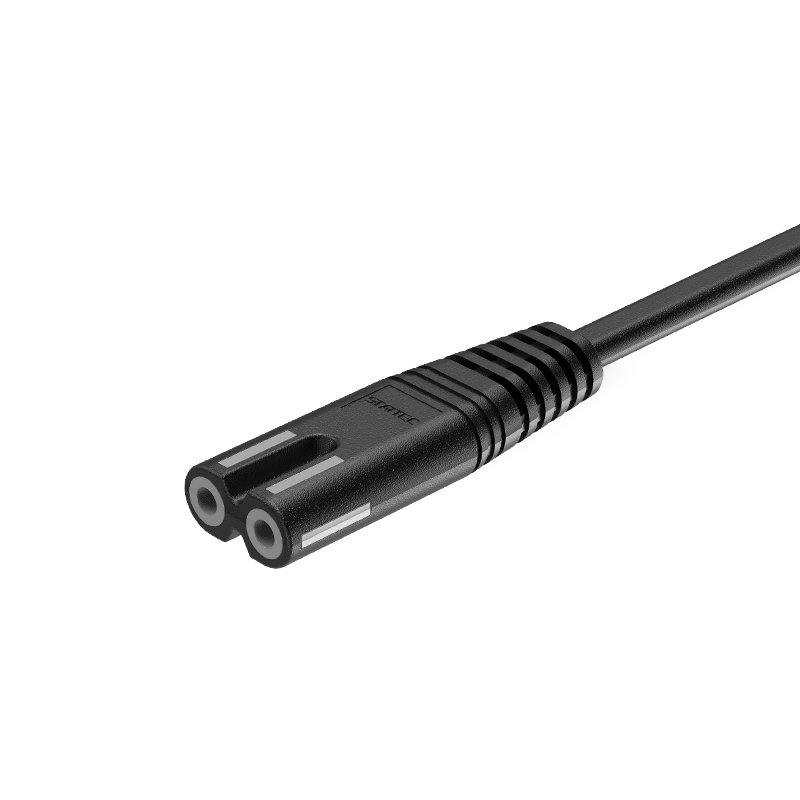
| Type C (Europlug) | Ungrounded | Low-power, double-insulated appliances up to 2.5A |
| Type F (Schuko) | Grounded, side clip | Higher-load appliances, power tools, kitchen equipment |
Manufacturing and Certification Considerations
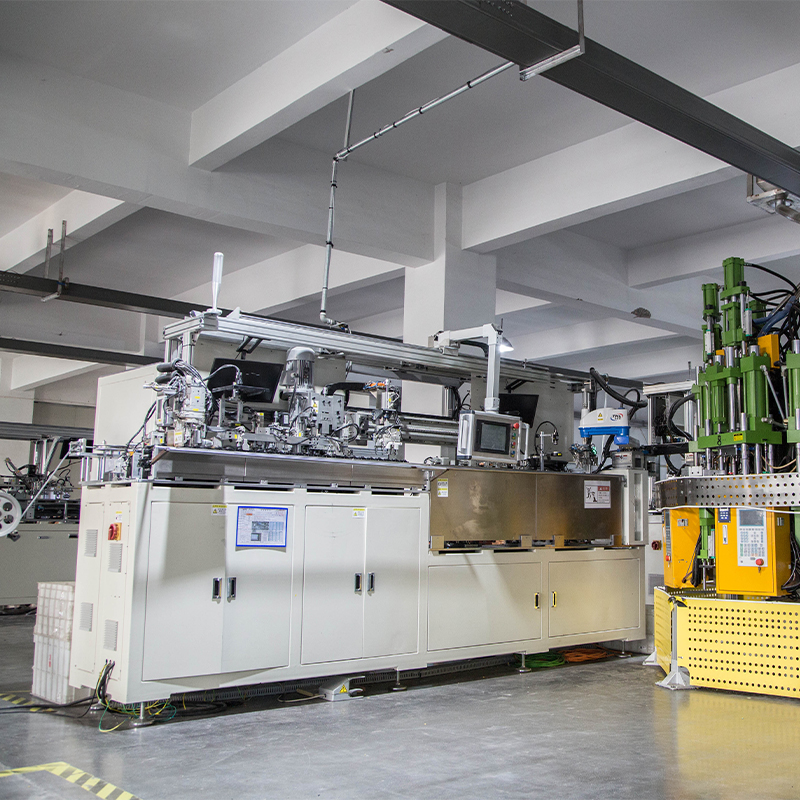
Producing a compliant european power cable at scale requires controlling every step from wire drawing through final plug molding, since inconsistencies introduced at any single station can cause an entire batch to fail dielectric or grounding-continuity tests.
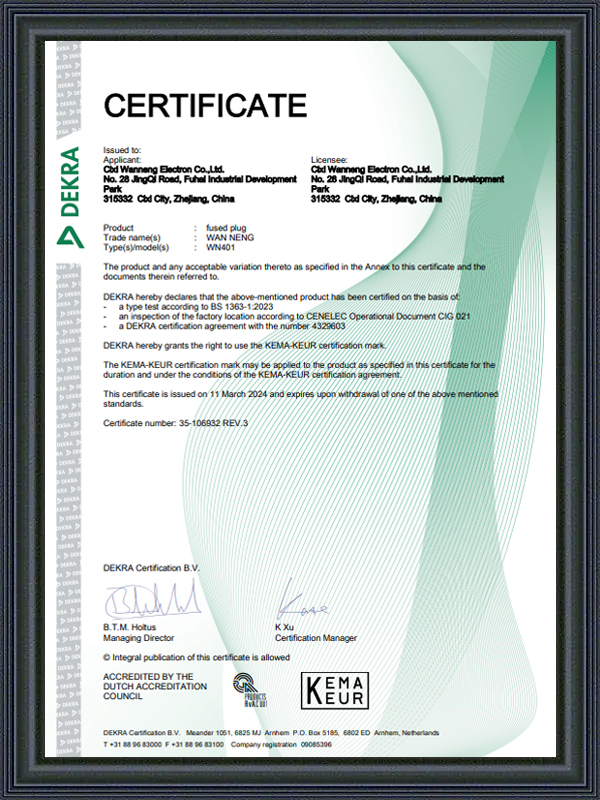
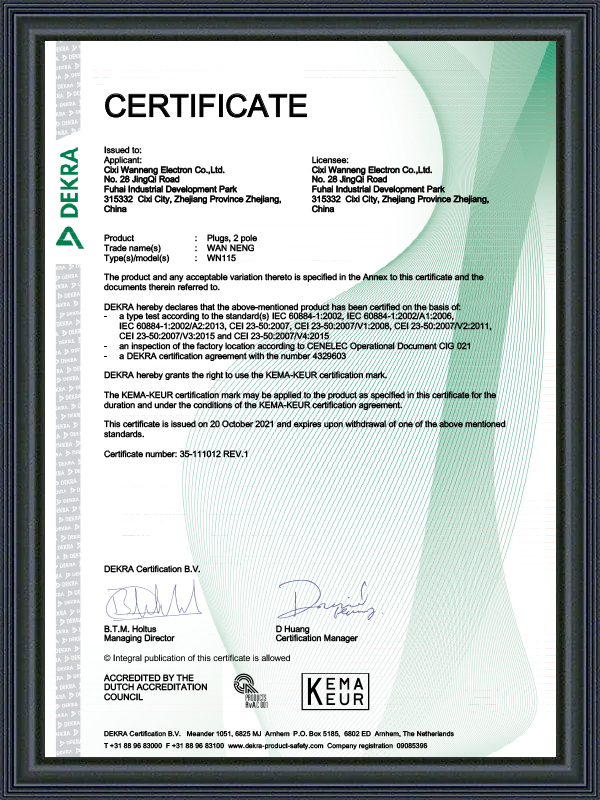
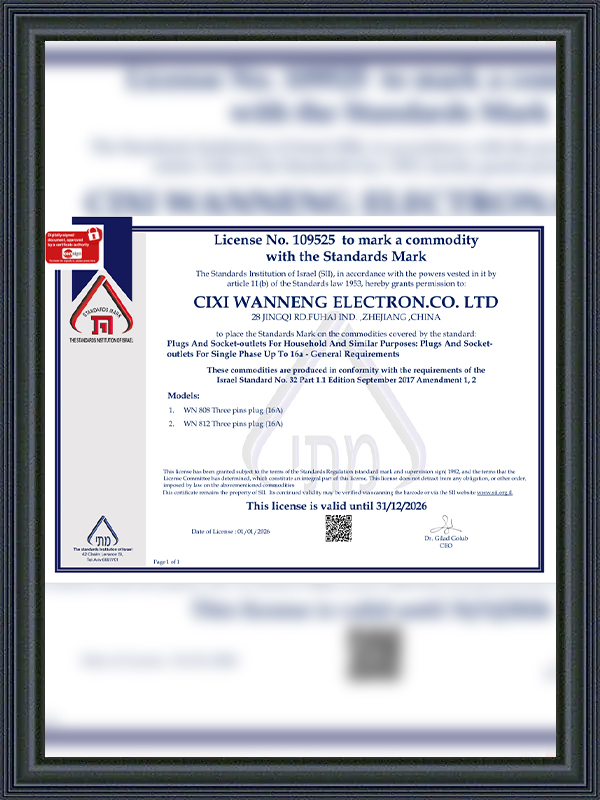
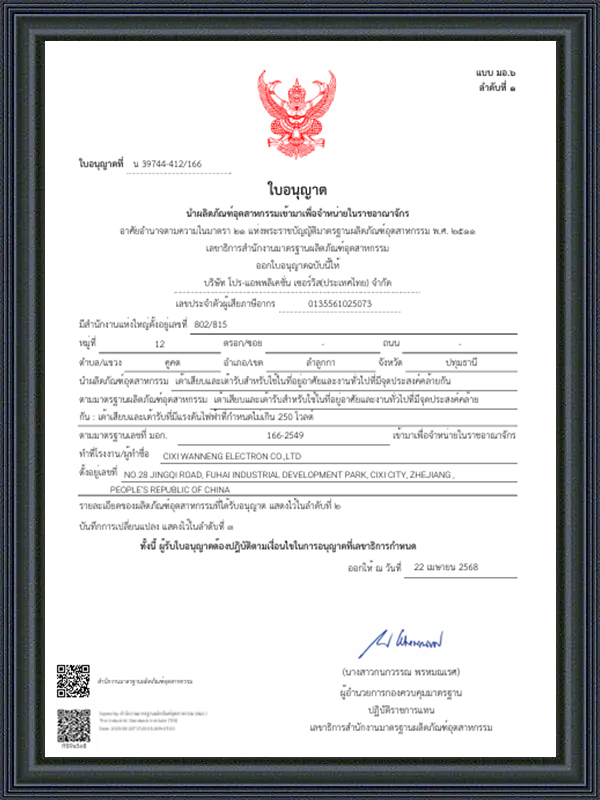
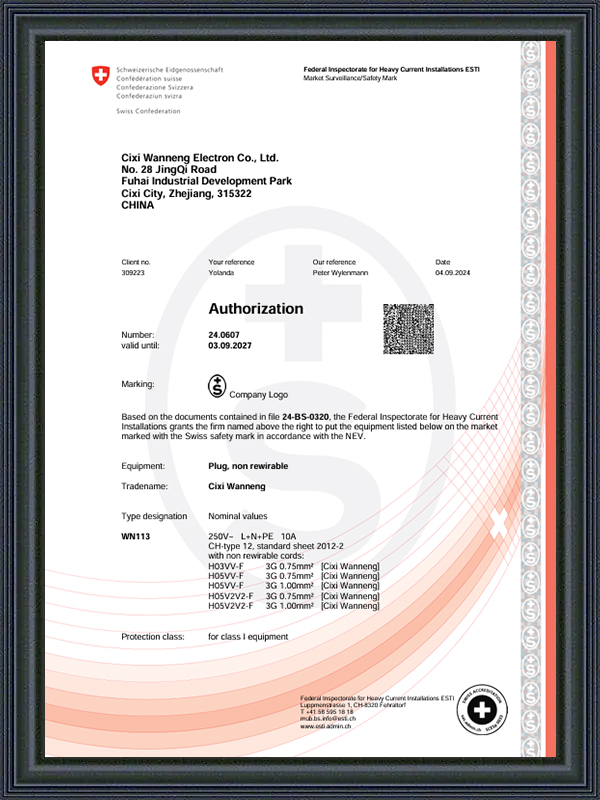
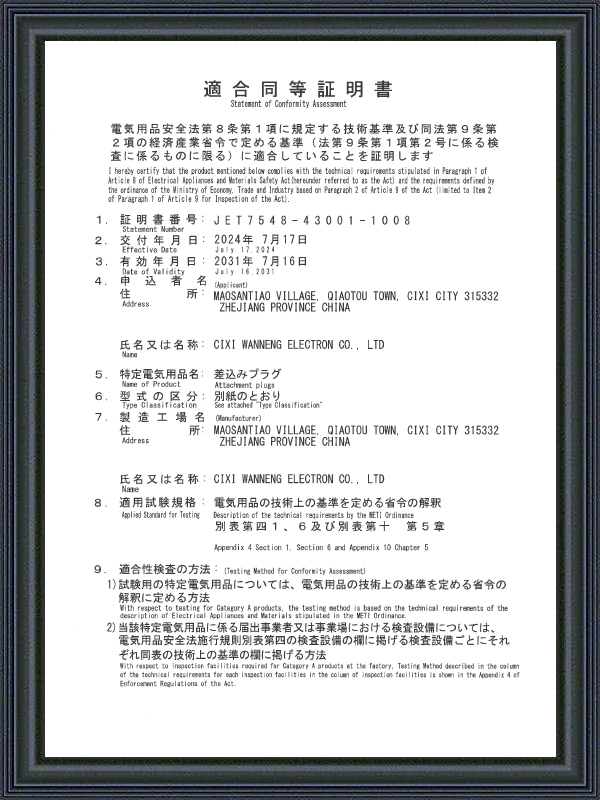
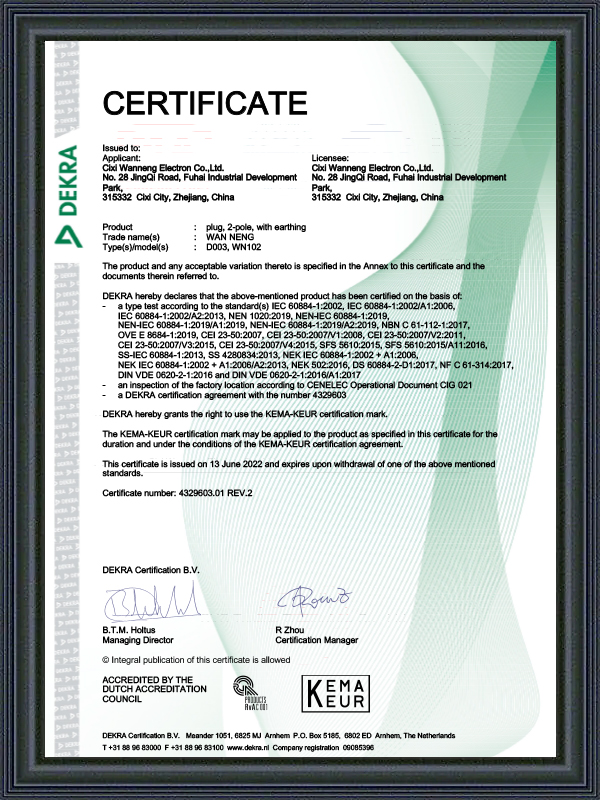
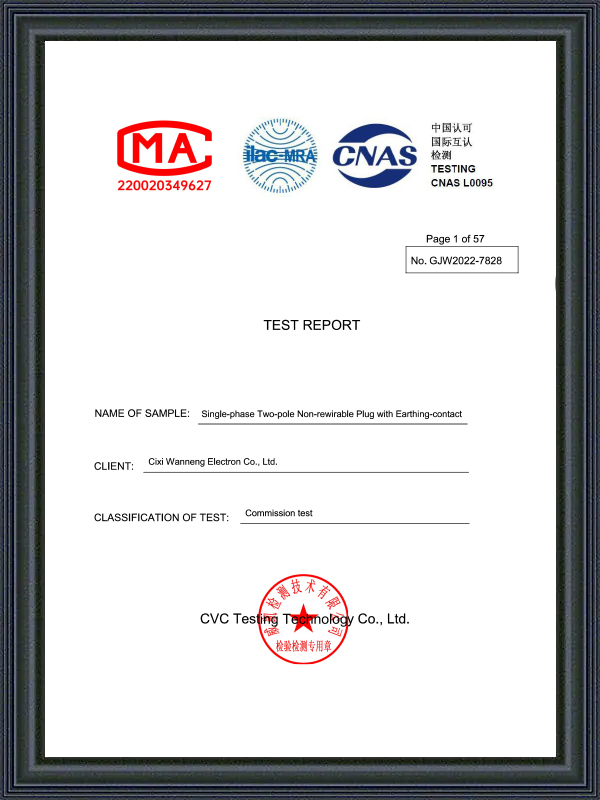
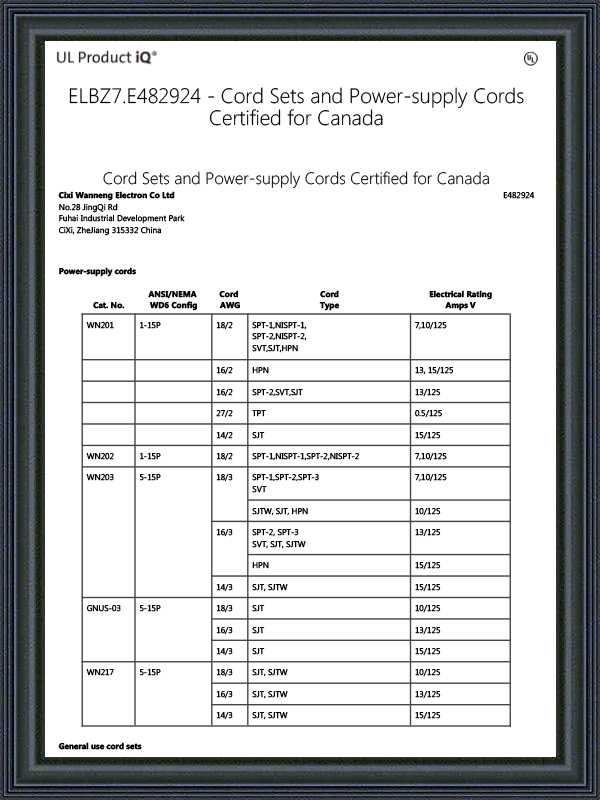
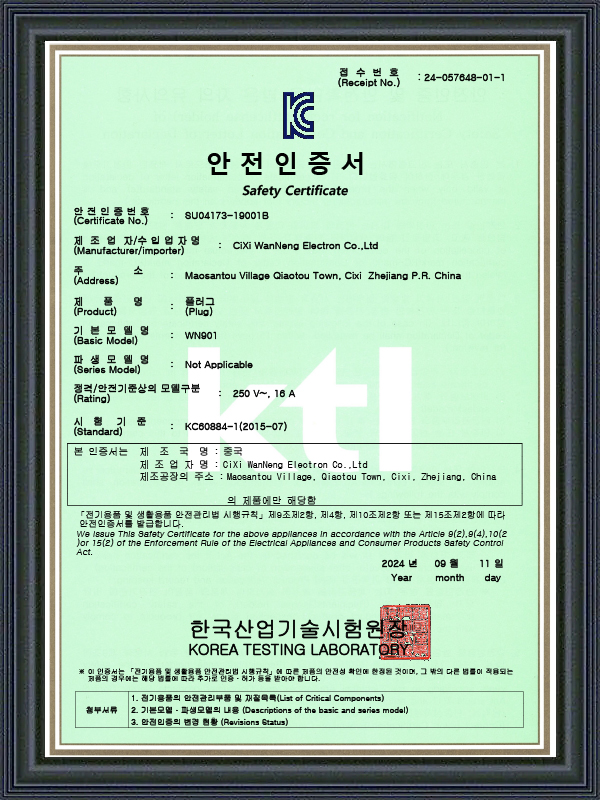
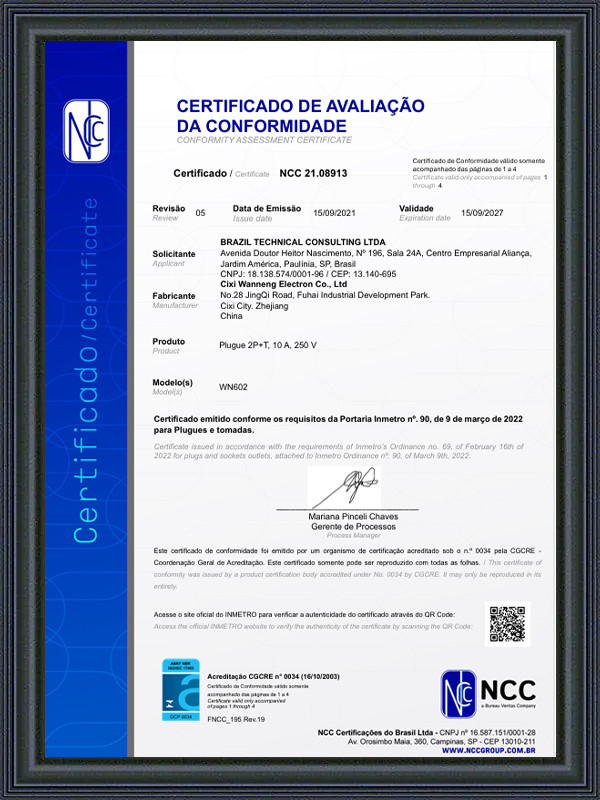
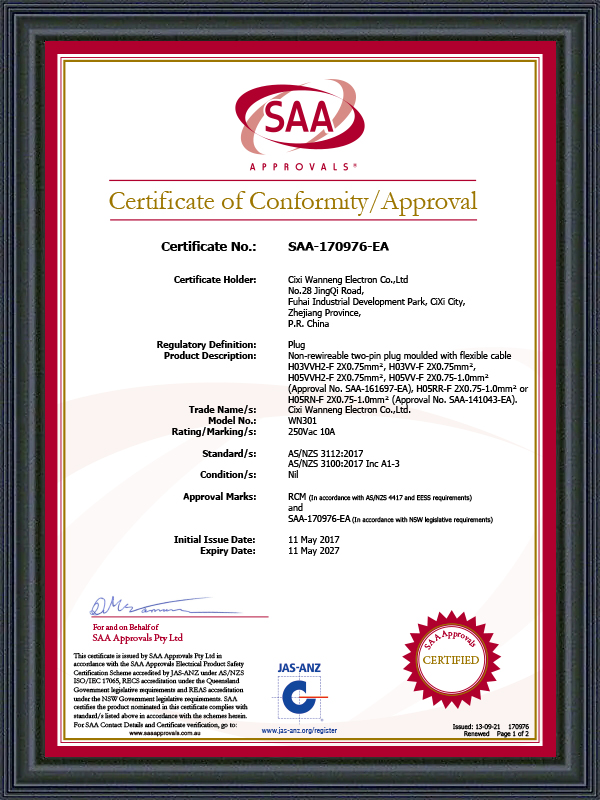
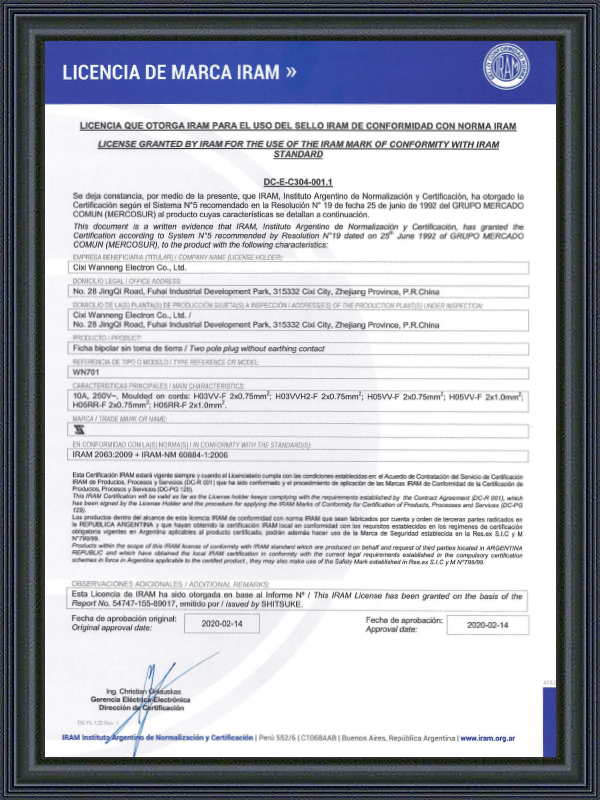
Cixi Wanneng Electron Co., Ltd., founded in 1995, handles full in-house production from copper wire drawing to plug molding for power cords, rubber cables, data cables, and harness assemblies. Its smart factory outputs more than 600,000 units daily, supported by over 100 engineers and certifications including UL, VDE, CCC, SAA, UKCA, CE, RoHS, and REACH, serving home appliance, medical equipment, and power tool clients across multiple regions.
- Confirm the target country's plug variant, since not all EU markets use identical socket geometry
- Match conductor gauge to the appliance's rated current, not just its power rating
- Verify insulation and sheath compounds carry documentation supporting flame-retardant and REACH compliance
Frequently Asked Questions
Q1: Is an EU power cord the same across all European countries?
Most continental European countries use the same CEE 7 socket family, but a few markets, such as the UK and Switzerland, use different plug standards, so the cord must be matched to the specific destination country rather than assumed to be universal.
Q2: What is the difference between Type C and Type F plugs?
Type C, the Europlug, is a compact two-pin, ungrounded connector rated for lighter loads, while Type F, the Schuko plug, adds side grounding clips and is required for higher-current or non-double-insulated appliances.
Q3: What conductor size is typically used for a european cord?
Household and small-appliance cords commonly use 0.75 mm² to 1.5 mm² stranded copper conductors, with the exact size selected based on the appliance's rated current and cord length to keep voltage drop within safe limits.

